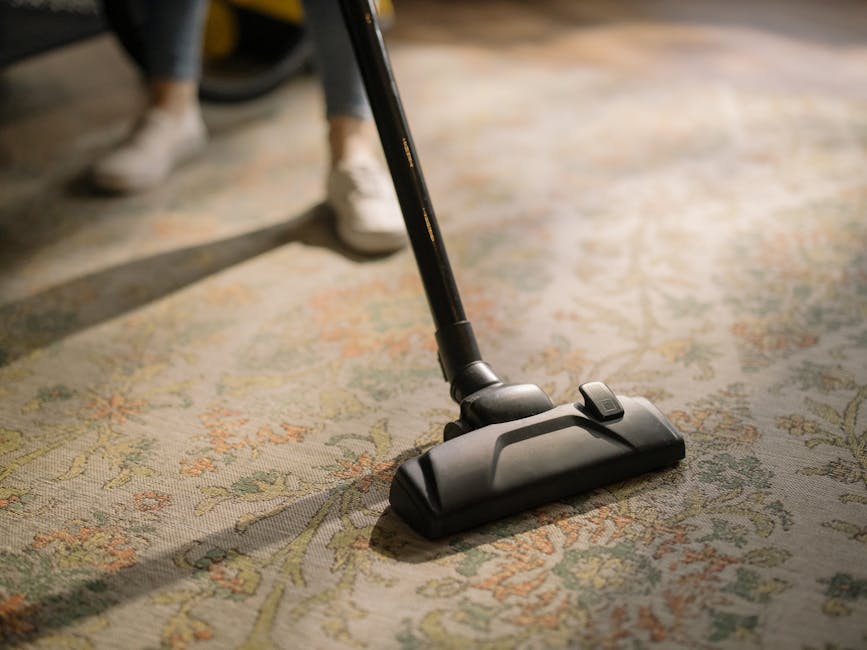
Emergency carpet stain removal Maida Vale flats
Posted on 18/06/2026
Emergency carpet stain removal Maida Vale flats: what to do fast, what to avoid, and how to save the carpet
Spilled red wine on a cream carpet at 9:30 p.m.? Coffee tracked through the hallway after a rushed morning? In a Maida Vale flat, that kind of moment can feel bigger than it is. The good news is that Emergency carpet stain removal Maida Vale flats is usually far more manageable when you act quickly and avoid the classic panic moves. The trick is to stabilise the stain first, then choose the right treatment for the carpet fibre, the spill type, and the reality of flat living: shared hallways, limited ventilation, and neighbours who would really prefer not to smell vinegar for the rest of the evening.
This guide walks you through the practical side of emergency stain removal in a London flat, from the first 60 seconds to the point where you should stop DIY and bring in a professional. If you also want broader background on cleaning standards and service options, you may find our pages on carpet cleaning in Maida Vale and deep cleaning in Maida Vale useful later on.
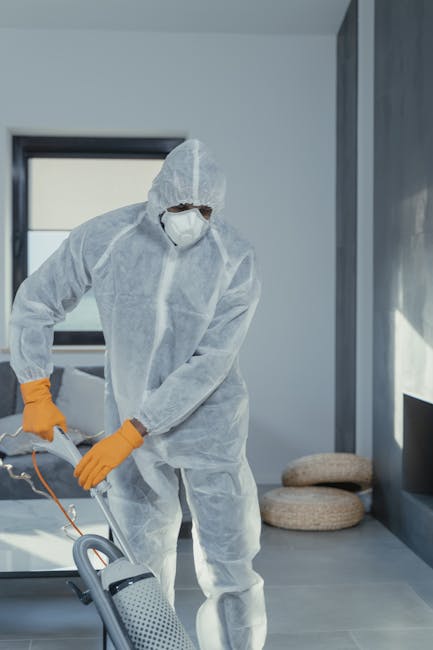
Why Emergency carpet stain removal Maida Vale flats Matters
Flats in Maida Vale tend to have a few things in common: tighter layouts, stairs or lifts that make carrying equipment awkward, and carpets that often run from room to room, so one spill can become a very visible problem very quickly. A stain left too long can bond with the fibres, spread into the underlay, or leave a smell that hangs around after the surface looks fine. That last part catches people out. The carpet may look "mostly okay" in daylight, but by evening you can still notice a faint sour edge when the heating comes on. Annoying, yes.
Emergency stain removal matters because speed changes the outcome. Fresh spills are easier to lift, more likely to respond to simple blotting, and less likely to create a permanent shadow. In a rental flat, that can also matter at inspection time. Landlords, tenants, letting agents, and owners all tend to care about the same thing in the end: can the carpet be restored without making the patch look worse?
There is also a practical Maida Vale reality. Many flats are furnished, partially furnished, or used for short-term turnover between occupants. A stain on the landing, a mark under a dining table, or a spill in a reception room can affect the whole feel of the home. And let's face it, nobody wants to spend a Saturday staring at a sticky patch and wondering whether it's now "a feature".
How Emergency carpet stain removal Maida Vale flats Works
Good emergency stain removal is not magic. It is controlled action. First you identify the stain type, then you control moisture, then you lift the contamination without pushing it deeper. That order matters more than people think.
Most carpet stains fall into a few broad groups:
- Water-based spills such as tea, coffee, squash, or some sauces
- Oily or greasy marks such as food drips, cosmetics, or some lubricants
- Protein-based stains such as milk, vomit, or pet accidents
- Colouring stains such as wine, ink, dye transfer, or makeup
- Unknown stains where the safest choice is minimal intervention until identified
The method changes depending on the stain. A tea spill on synthetic carpet may respond well to gentle blotting and a mild cleaning solution. An ink mark on wool is a different story. So is a pet accident. Wool, synthetic blends, nylon, and polypropylene all behave differently, and flat carpets often have underlay or padding that can hold on to moisture longer than you expect.
The practical workflow usually goes like this:
- Remove excess solid material without rubbing.
- Blot liquid from the outside of the stain inward.
- Test a small hidden area before applying any solution.
- Use the mildest effective cleaner first.
- Rinse carefully, then blot dry.
- Improve airflow so the carpet dries properly.
If the stain is large, has already been walked through, or keeps reappearing after drying, you may be dealing with residue that has sunk below the pile. That is usually the point where a proper extraction or specialist carpet treatment becomes the smarter move.
Key Benefits and Practical Advantages
Fast stain treatment is about more than appearance. Done well, it can protect the carpet structure, reduce the chance of odour, and avoid the cost of replacing a section that could have been saved. Here are the main benefits people notice.
- Better stain lift because fresh spills have not fully bonded with the fibres.
- Less fibre damage since you are not scrubbing a set-in mark.
- Reduced odour risk from moisture and organic spills.
- Improved rental presentation for inspections, viewings, or move-outs.
- Lower chance of spreading the stain into a larger patch.
- Less disruption in a flat where drying space is limited.
There is a subtle but real advantage here for Maida Vale residents. In compact flats, one messy clean-up can affect several rooms: a damp hallway, a carpet drying fan in the living room, and furniture moved awkwardly into the kitchen. A fast, neat response keeps the damage and inconvenience smaller. That sounds obvious, but once the spill happens people often rush straight past obviousness and into panic.
Expert summary: the best emergency response is usually the simplest one that does not make the stain travel. Blot, test, treat gently, and dry thoroughly. If the stain is unknown, old, greasy, or on a delicate carpet, stop before you escalate the damage.
Who This Is For and When It Makes Sense
Emergency stain removal is for anyone who needs a fast, sensible response before a carpet mark becomes a lasting problem. In Maida Vale flats, that often includes:
- Tenants trying to protect their deposit
- Landlords preparing for new occupiers
- Letting agents handling a quick turnaround
- Homeowners dealing with unexpected spills during a busy week
- Families with children, pets, or a lot of day-to-day foot traffic
- People hosting friends, dinner parties, or small gatherings
It makes sense whenever the stain is fresh and the carpet is still salvageable. It also makes sense if you have a known event coming up, such as a viewing, end-of-tenancy inspection, or a move. For broader planning around home upkeep, our article on spring cleaning in Maida Vale may be helpful, especially if the spill has made you realise the carpet needs more than a quick patch-up.
Sometimes the decision is not really about stain removal at all. It is about timing. If the carpet is already showing wear, smells musty, or has several marks in one area, emergency treatment may buy time but not solve the full problem. In those cases, combining stain work with a more complete service can be the better route.
Step-by-Step Guidance
Here is a practical process you can use at home before the stain sets. Keep it calm. Do not rush it. The first minute matters most, but the next ten minutes matter too.
1. Pause and identify the spill
Ask yourself what the stain is, if you can tell. Coffee, wine, oil, makeup, pet mess, and muddy water each behave differently. If you do not know, treat it as unknown and keep the first response gentle. Guessing wrong can spread the mark or lock it in.
2. Remove solids carefully
If there is any solid material on the carpet, lift it with a spoon, card edge, or paper towel. Do not grind it in. A surprising amount of damage happens in this step because people panic and start scrubbing like they are trying to erase the carpet from existence.
3. Blot, do not rub
Use white absorbent cloths or plain paper towels and blot from the outside toward the centre. This helps prevent the stain from spreading. Change the cloth often. If the cloth is saturated, you are just moving the dirt around.
4. Test a cleaner in a hidden spot
Any solution, even a mild one, should be tested first in a small inconspicuous area. That is especially important for wool, patterned carpets, and older fibres that can discolour. A few minutes of caution can save a lot of regret.
5. Apply the mildest effective treatment
For many common spills, a very diluted carpet-safe solution may help. Apply a little at a time. Never flood the area. Excess liquid can travel through the pile and reach the backing, which creates a bigger drying problem and sometimes a tide mark.
6. Rinse lightly and blot dry
Once the stain starts lifting, dab the area with clean water to remove residue, then blot again. Residue left behind can attract new dirt, so don't leave detergent behind if you can help it.
7. Dry the area thoroughly
Open windows if weather and security allow, switch on gentle airflow, and keep pets or heavy foot traffic away. If the carpet stays damp for too long, you may end up with smells or a flattened patch. In a flat, drying is often the least glamorous part of the job, but it is absolutely part of the job.
8. Reassess after drying
Once dry, look at the carpet in natural light and again under warm indoor light. Some marks only show once the pile settles. If a shadow remains, that may mean residue, fibre distortion, or dye transfer. At that point, a professional clean can be the more reliable option.
Expert Tips for Better Results
A few small habits make a big difference. The goal is not perfection; it is to avoid making the stain worse while giving yourself the best shot at a proper lift.
- Work from the edge inward. That stops the stain growing wider.
- Use white cloths. Coloured cloths can transfer dye, which is the kind of irony nobody needs.
- Keep the area only slightly damp. Saturation creates deeper problems than the stain itself.
- Be extra careful with wool. Wool carpets are durable, but they do not like harsh treatment.
- Act quickly on protein stains. Heat can set them, so warm water is not always your friend.
- Check the underlay risk. If liquid soaked down, the visible top layer may not be the whole story.
One thing experienced cleaners notice straight away is when a stain has been overworked. The pile gets fuzzy, the patch dries differently, and the stain looks cleaner but somehow bigger. That is the point where restraint becomes expert behaviour. A little less force is often the winning move.
If your flat has ongoing traffic issues, rental turnover, or frequent hosting, it may be worth looking at a more regular cleaning plan rather than treating each spill as a crisis. Our pages on one-off cleaning in Maida Vale and domestic cleaning in Maida Vale sit well alongside emergency stain support.
Common Mistakes to Avoid
Most carpet stain disasters are not caused by the spill itself. They are caused by the response. A few mistakes come up again and again.
- Scrubbing aggressively and driving the stain deeper into the fibres.
- Using too much water in the hope it will "wash away" the mark.
- Mixing cleaning chemicals without knowing how they react.
- Skipping the patch test and risking colour loss.
- Using heat too early on stains that are likely to set.
- Leaving residue behind so dirt sticks to the area later.
- Ignoring the odour after the visible stain has gone.
The temptation is always to do more. More product, more scrubbing, more confidence. But in carpet cleaning, more is often less. Especially in flats, where drying conditions may already be awkward, over-wetting can quietly create a bigger headache than the original spill.
And yes, we have all seen the "I just used a bit of bleach" approach. That one tends to age badly.
Tools, Resources and Recommendations
You do not need a cupboard full of specialist products to handle an emergency well. A small, sensible kit is usually enough for first response.
- Clean white microfibre cloths or plain paper towels
- A soft spoon or blunt edge for lifting solids
- A small bowl for diluted cleaning solution
- Lukewarm water for blotting and rinsing where suitable
- A fan or good natural airflow for drying
- Disposable gloves if the spill is biological or unpleasant
For residents who want a more comprehensive clean after the emergency is handled, it can help to compare service types first. Our services overview is a sensible starting point, and the pricing and quotes page can help you understand what to expect before booking anything.
Useful practical recommendation: keep a small stain-response kit in the flat, not buried in a cupboard. If a spill happens after guests leave, or just before heading out, you will not want to be hunting for towels while the stain sets. A little prep goes a long way.
Law, Compliance, Standards, or Best Practice
For carpet stain removal in a private flat, there usually is not a complex legal process involved. Still, there are good standards to follow. In the UK, common-sense safety and care apply: use products according to their instructions, avoid creating slip hazards, and keep any chemical use sensible in shared or enclosed spaces.
If you are a tenant, it is also worth remembering that carpets are often considered part of the property's condition. That means your actions can matter at the end of a tenancy. If a stain becomes permanent because of poor treatment, it may affect deposit discussions. That is not a threat, just a practical reality. A careful first response is usually in everyone's interests.
For landlords and agents, professional best practice is to document the issue, treat it promptly, and choose a method suited to the fibre and stain type. If the stain has potential health implications, such as bodily fluids or pet waste, safer handling matters as much as appearance. Our insurance and safety information and health and safety policy pages may be useful if you are checking how a professional service approaches care and risk.
Best practice also means knowing when not to push ahead alone. If a stain has uncertain origin, covers a wide area, or sits on a valuable natural-fibre carpet, it is reasonable to stop and ask for help. That is not over-cautious. It is just sensible.
Options, Methods, or Comparison Table
Not every stain needs the same response. The right option depends on how fresh the mark is, what caused it, and how important the carpet is to you.
| Method | Best for | Advantages | Limitations |
|---|---|---|---|
| Immediate blotting | Fresh liquid spills | Fast, low-risk, keeps stain from spreading | May not remove deeply set colour |
| Mild spot treatment | Common household marks | Good balance of cleaning and caution | Needs testing; not ideal for delicate fibres |
| Targeted extraction | Stains that have sunk deeper | More thorough, better for residues | Can be too much for some fibres if done badly |
| Professional stain removal | Old, large, risky, or valuable-carpet stains | Best chance of controlled treatment and proper drying | Costs more than DIY |
If you are deciding whether to continue yourself or bring in help, ask two questions: how valuable is the carpet, and how risky is this stain? If the answer to either one is "quite a bit", a more careful professional route often makes sense. For readers comparing longer-term options, the real cost of professional carpet cleaning in Maida Vale gives useful context.
Case Study or Real-World Example
A common Maida Vale scenario goes like this. Early evening, a tenant hosts two friends for dinner in a first-floor flat. Someone bumps a glass of red wine. It lands on the living-room carpet near the sofa, spreads about the size of a saucer, and everyone pauses. That half-second of silence? Very familiar.
Instead of rubbing, the tenant blots immediately with plain white cloths, working from the edge in. They avoid soaking the area, test a mild cleaning solution in a hidden corner, and keep pressure light. The stain lifts enough that, after drying, only a faint shadow remains. Because the carpet is still slightly marked, they follow up with a professional spot clean the next day rather than trying ten different kitchen remedies. The result is much better than trying to force a complete rescue in the first five minutes.
In a different flat, the same spill on a wool carpet near a light-coloured rug edge might have gone badly if treated with a stronger cleaner or hot water. That is the lesson, really: the best response depends on the carpet and the spill, not just the urgency of the moment.
For residents who want to understand the neighbourhood context a little better, the local pages discovering Maida Vale and is Maida Vale suitable for residents? give a useful sense of the area's mix of homes and lifestyles.
Practical Checklist
Use this checklist when a stain happens. Simple, calm, repeatable.
- Identify the spill if you can.
- Lift any solids carefully.
- Blot from the outside toward the centre.
- Do not scrub.
- Keep the carpet only slightly damp.
- Test any solution in a hidden area first.
- Use the mildest effective cleaner.
- Rinse lightly if needed, then blot again.
- Dry with airflow and keep traffic off the area.
- Check the stain again once fully dry.
- Stop and call a professional if the stain is spreading, old, or delicate-fibre related.
If the issue happened during a move-out or before an inspection, pairing emergency stain work with end of tenancy cleaning in Maida Vale can save a lot of last-minute stress. It is one of those things people wish they had arranged a day earlier, to be fair.
Get a free quote today and see how much you can save.
Conclusion
Emergency carpet stain removal in Maida Vale flats is really about control, not drama. The sooner you respond, the more likely you are to save the carpet, avoid odour, and keep the patch from turning into a bigger repair job. Blot carefully, keep things light, test before using any product, and resist the urge to attack the stain with every cleaner under the sink.
For some spills, a calm DIY response is enough. For others, especially on wool, old carpets, or large stains, professional help is the safer and often cheaper long-term choice. If you are dealing with a flat in a busy building, or preparing for a move, a prompt and sensible approach can make all the difference. Small problem, big feelings. We get that.
And once the carpet is sorted, the flat feels calmer again. That's usually what people want most.