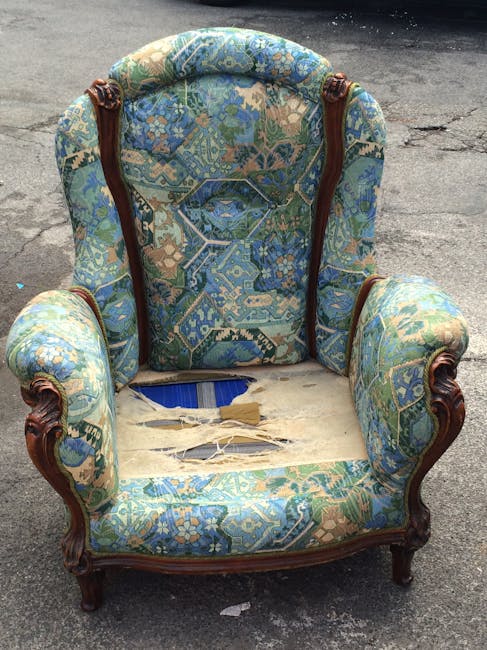
Clifton Villas upholstery cleaning before and after case study
Posted on 26/06/2026
If you have ever looked at a sofa, armchair, or dining chair and thought, "It used to look so much better," you are in the right place. This Clifton Villas upholstery cleaning before and after case study walks through what professional upholstery cleaning can realistically achieve in a lived-in London home, why the visible difference matters, and how to judge whether a clean is worth booking. We will keep it practical, honest, and useful. No hype, no magic tricks.
Upholstery is one of those things people stop noticing until it starts showing every spill, bit of dust, and patch of wear. In a place like Clifton Villas, where homes are often well-kept but busy, fabrics can pick up day-to-day grime surprisingly quickly. The good news? A careful clean can often restore colour, lift odours, and make a room feel fresher without replacing the furniture. Let's face it, that is usually what people want: better, not perfect.
In this article, you will see how a before-and-after upholstery clean should be assessed, what a proper process looks like, which results are normal, and where the limits are. If you are comparing services, you may also find it helpful to review the upholstery cleaning service overview, the wider services overview, and the practical notes in deep cleaning in Maida Vale. They give useful context without overcomplicating things.
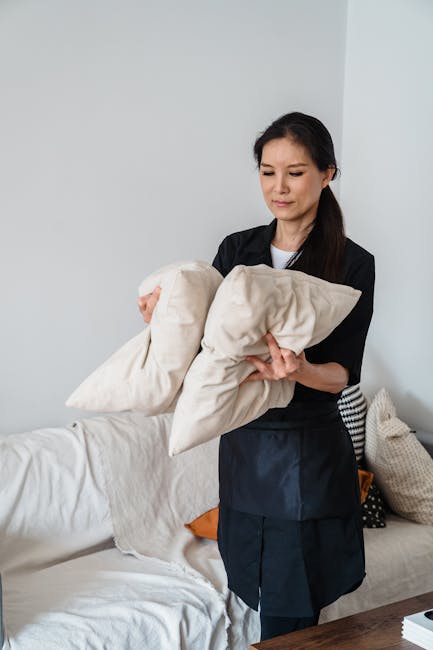
Why Clifton Villas upholstery cleaning before and after case study Matters
A before-and-after case study matters because upholstery cleaning is hard to judge from a sales page alone. Fabrics can look "clean enough" at a glance, but close up the picture changes: shading, traffic marks, body oils, dust build-up, and old drink splashes all add up. A good case study shows what changes visibly, what changes hygienically, and what stays the same. That honesty builds trust.
It also helps set realistic expectations. Not every mark disappears, and not every fabric behaves the same way. A silk-blend cushion, a synthetic sofa, and a delicate velvet armchair need very different handling. The point of the case study is not to promise showroom perfection. It is to show informed, careful restoration that respects the fabric and improves day-to-day use.
That matters in Clifton Villas because homes here often combine style with real-life traffic. Family seating, guests, pets, work-from-home lunches on the sofa... all the usual suspects. One evening of red wine is enough to make a lovely light-coloured chair look tired. A proper upholstery clean can reset that visual clutter and make a room feel looked after again. Sounds small, but it changes how the whole space lands.
There is also a practical value for landlords, sellers, and property managers. Clean upholstery can make a property photograph better, view better, and feel more inviting. If you are preparing a home for market or end of tenancy, it is often one of those details that quietly shifts the overall impression. For related context, have a look at selling real estate in Maida Vale and Maida Vale end of tenancy cleaning for landlords and agents.
How Clifton Villas upholstery cleaning before and after case study Works
In simple terms, upholstery cleaning usually starts with inspection, then targeted pre-treatment, then controlled cleaning, and finally drying and finishing. The exact method depends on the fabric type, the soil level, and whether the item can tolerate moisture. That last part is crucial. More water is not automatically better. In fact, too much can cause wicking, browning, or a lingering damp smell. Not ideal.
A strong case study will usually show the condition of the furniture before cleaning, the treatment approach, and the final result after drying. You may notice improvements in:
- general brightness and colour depth
- traffic marks on seat cushions and arms
- food and drink spills
- odour reduction
- dust and visible dulling
- the texture or "lift" of the fabric pile
The process is rarely just a single spray-and-extract step. A technician may test a small hidden area first, identify the upholstery code where available, and choose an approach based on whether the fabric is synthetic, natural, or a blend. Some fabrics respond well to hot water extraction; others do better with low-moisture methods or carefully controlled shampooing. The best results come from restraint and judgement, not brute force.
To be fair, that is where a lot of DIY attempts go wrong. People buy a machine, dampen the sofa too much, and expect miracles by teatime. Upholstery is more sensitive than carpet in many cases, and it punishes impatience. A professional approach protects the fabric while still improving appearance.
Key Benefits and Practical Advantages
The most obvious benefit is visual. Clean upholstery makes a room look fresher, brighter, and better kept. But the practical gains go further than that. If you are comparing value, it helps to think in layers: appearance, comfort, hygiene, and furniture life.
Visual improvement: seats stop looking greyed out, patchy, or tired. Colour often comes back more than people expect, especially on fabrics dulled by dust and skin oils.
Odour reduction: everyday smells from pets, cooking, or damp shoes can settle into fibres. A clean can reduce those background smells noticeably, which is a relief when you walk in the door after a long day.
Better day-to-day comfort: once the grime and residue are removed, fabric can feel softer and less sticky. It is a subtle thing, but you notice it.
Longer furniture life: grit and embedded soil act like fine sandpaper over time. Removing them can help slow wear, especially on arms, headrests, and seat fronts.
Improved presentation: this matters for guests, buyers, tenants, and anyone trying to keep a polished home without replacing furniture unnecessarily.
If your home is part of a broader cleaning plan, upholstery cleaning often pairs well with spring cleaning in Maida Vale or a more general one-off cleaning visit. The combination gives the best "whole room" impact rather than a half-finished look.
Who This Is For and When It Makes Sense
This type of clean is useful for a lot of people, not just households with obvious stains. In our experience, some of the most satisfied clients are the ones who thought their sofa was "just a bit dull" and then realised how much better the room felt afterward.
It makes sense if you are:
- moving in or out of a property
- preparing for guests or a family event
- trying to remove a specific spill or odour
- freshening furniture after a long winter of closed windows
- maintaining a rental property between tenancies
- looking after a favourite sofa rather than replacing it too soon
It is especially sensible when the upholstery is good quality but visually tired. That is the sweet spot. If the frame is solid and the fabric is serviceable, cleaning can buy you a lot more time. On the other hand, if the fabric is torn, heavily faded, or structurally damaged, cleaning can only do so much. Honest advice matters here.
People often ask whether cleaning is worth it for darker fabrics. Usually yes, although the visible transformation may be more subtle than on pale materials. Sometimes the biggest gain is not dramatic brightness but a more even finish and a cleaner feel. That still counts.
For households balancing several cleaning priorities, you may also want to read about domestic cleaning in Maida Vale or house cleaning in Maida Vale. They can help you decide whether upholstery should be a stand-alone job or part of a wider refresh.
Step-by-Step Guidance
If you want a clean result that actually looks different in the before-and-after photos, the sequence matters. Here is the practical version.
- Inspect the item carefully. Check the fabric type, wear areas, stains, and any previous cleaning attempts. Old spot treatments sometimes leave hidden residue.
- Test in a discreet area. A responsible cleaner checks colour stability and fabric response before doing the full piece. That is basic good practice.
- Vacuum thoroughly. Dry soil should come out first. Skipping this step just turns dust into slurry. Not pretty.
- Pre-treat problem spots. Food marks, grease, and body oils often need targeted treatment before the main clean.
- Clean using the most suitable method. This may be hot water extraction, low-moisture cleaning, or another fabric-safe technique.
- Work with controlled moisture. Too much liquid can cause shrinkage, browning, or long drying times.
- Speed up drying where possible. Good airflow, open windows if appropriate, and room temperature all help.
- Review the result after drying. Some marks appear lighter while wet and only fully show once dry. Others are the opposite. Odd, but true.
For stain-prone situations, it can help to compare a planned clean with emergency support. The article on emergency carpet stain removal in Maida Vale flats is useful because many of the same stain principles apply to upholstery. Fabric behaves differently, but the urgency and caution are similar.
A small but important note: do not judge upholstery cleaning too early. A sofa may look slightly damp or even a little uneven straight after treatment. Give it time. The final appearance often settles as it dries, sometimes later that day or by the next morning.
Expert Tips for Better Results
The best upholstery cleans are not flashy. They are controlled. Here are a few things that usually make the biggest difference.
- Tell the cleaner about the problem history. Old spill? Pet accident? DIY cleaner used last month? Say so. Hidden details matter.
- Move loose items first. Cushions, throws, and small accessories can get in the way and trap moisture.
- Ask for a fabric-safe approach. A technician should adapt to the material, not force one method on every sofa in sight.
- Allow proper drying time. Sit on it too soon and you can flatten damp fibres or mark the finish.
- Use good ventilation. Open a window if the weather allows, or use fans to keep air moving.
- Act on spills quickly. Fresh stains are easier to manage than settled ones. Every cleaner will tell you the same thing.
One small observation from real homes: the areas people touch most, like armrests and headrests, often tell the whole story. Clean those properly and the room usually feels cleaner even if the rest of the furniture was already decent. Funny how the eye works, really.
If you are planning a broader refresh, the Maida Vale spring cleaning checklist can help you sequence tasks sensibly so upholstery cleaning fits alongside curtains, carpets, and general dusting rather than competing with them.
Common Mistakes to Avoid
There are a few classic errors that undermine the before-and-after result. The good news is they are easy to avoid once you know what to look for.
- Over-wetting the fabric. More moisture is not a sign of better cleaning. It can create marks, odours, and long drying times.
- Using the wrong product. Household cleaners are not always upholstery-safe. Some leave residues that attract more dirt later.
- Scrubbing stains hard. That often pushes the stain deeper or damages the fibres.
- Ignoring the fabric type. Velvet, linen, microfibre, wool blends, and synthetics all need different handling.
- Expecting every mark to vanish. Some stains are permanent or have already altered the dye. Honest expectation saves disappointment.
- Cleaning only the obvious patch. Spot-cleaning a single area can leave the rest of the item looking uneven. It happens a lot.
Another common mistake is forgetting the wider room context. If the sofa is cleaned but the carpet, curtains, and cushions are still dull, the change may not feel as dramatic. A more complete approach often gives the best visual payoff. If you are working through budgets, avoid hidden charges when booking Maida Vale cleaning is worth a look because clear pricing helps you plan without nasty surprises.
Tools, Resources and Recommendations
For a professional-standard upholstery clean, the right kit matters. That does not mean every job needs a huge machine and a dramatic setup. It means the cleaner should have appropriate tools for the fabric and the level of soiling.
| Method | Best for | Strengths | Watch-outs |
|---|---|---|---|
| Hot water extraction | Synthetic and robust fabrics | Deep soil removal, strong general refresh | Can be too wet for delicate materials |
| Low-moisture cleaning | Sensitive fabrics or quick turnaround | Faster drying, less saturation | May need more careful spot treatment |
| Manual pre-treatment | Individual stains and traffic areas | Targeted, controlled, fabric-aware | Requires judgement and patience |
| Dry vacuuming and grooming | All upholstery as a prep step | Removes loose soil and improves finish | Not a full clean on its own |
In practical terms, the most useful "resource" is not a gadget. It is knowledge: knowing which textile can handle what. That is why the company's broader about us page and insurance and safety information can be reassuring if you are inviting someone into your home to work on valuable furniture.
If you want to compare related services before booking, it may also help to review carpet cleaning in Maida Vale. Upholstery and carpet cleaning often share planning concerns, such as drying, stain types, and access around the home.
Law, Compliance, Standards, or Best Practice
For upholstery cleaning, the main compliance concerns are less about formal regulation and more about safe, responsible working practice. In the UK, a good cleaner should follow sensible health and safety measures, use suitable products, and respect the limitations of each fabric. If a chemical or process is too aggressive for the material, it should not be used just to chase a better-looking photo.
Best practice usually includes:
- clear identification of likely fabric risks
- spot testing before full application
- appropriate ventilation during and after cleaning
- careful handling of electrical equipment and wet surfaces
- transparent communication about limitations and drying time
If you are arranging work in a family home, rental property, or office, it is sensible to ask how the cleaner manages safety and access. That is especially true if the furniture sits in a busy room or near high footfall. You do not want a cheerful-looking sofa clean to become a slippery-floor drama. Nobody needs that.
For readers who prefer to check the company side of things, the site's health and safety policy, terms and conditions, and privacy policy provide the kind of background information that helps set expectations before work starts.
Options, Methods, or Comparison Table
Not every upholstery job needs the same treatment. Here is a simple comparison to help you think through the options.
| Situation | Best approach | Why |
|---|---|---|
| Light dust and dulling | Standard deep clean | Removes built-up soil and refreshes the fabric without overdoing it |
| Visible food or drink spill | Targeted pre-treatment plus full clean | Reduces the chance of a faint outline remaining afterwards |
| Pet-related odour | Odour-focused treatment with controlled moisture | Helps address smells without saturating the item |
| Delicate or decorative fabric | Low-moisture or specialist approach | Protects the fibres and colour integrity |
| Preparing to sell or let a property | Whole-room refresh | Improves presentation, not just a single item |
Choosing the right method is usually about balancing result and risk. A more aggressive clean may look dramatic in the short term, but the safer method often gives the better long-term outcome. That is not the exciting answer, I know, but it is usually the right one.
Case Study or Real-World Example
Here is a realistic Clifton Villas upholstery cleaning before and after case study scenario based on the kind of work that comes up regularly in local homes.
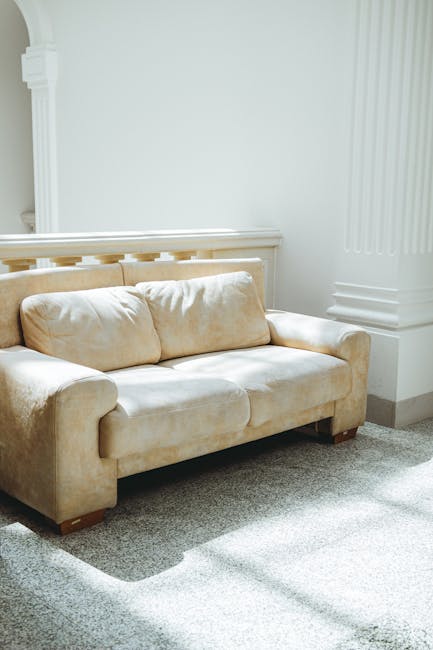
A two-seater sofa and matching armchair had become noticeably dull over time. The fabric was a light neutral shade, so everyday wear showed quickly: faint arm marks, flattened seat areas, a couple of old tea splashes, and a slight stale smell near the corner of the room. Nothing dramatic. Just enough to make the whole lounge feel a bit tired.
Before cleaning, the fabric looked slightly greyed, especially where people sat daily. The armrests had a darkened edge from oils and repeated contact. One cushion had a ring-shaped mark from a spill that had dried in and softened only slightly with home treatment. The furniture itself was still in good shape, which made it a good candidate for professional cleaning.
The technician inspected the fabric, tested a discreet area, and chose a careful method with pre-treatment on the marked sections. The work was done in stages so the cleaner could focus on the most visible problem areas first, then even out the result across the full item. That matters because patchy cleaning can be more obvious than the original dirt. Weird, but true.
After drying, the difference was straightforward rather than theatrical. The sofa looked brighter. The armrests were cleaner. The seat colour was more even. The old tea mark had faded significantly, though not vanished completely, which was explained beforehand. The stale smell had reduced enough that the room felt fresher in the evening, especially once the windows were opened for a while.
The biggest change was not just what you could see. It was the feeling when you walked in. The room looked calmer and more cared for. That is the part people remember. Not a miracle, just a solid reset.
This kind of result is also why people often pair upholstery cleaning with broader property preparation. If you are thinking about presentation, the article on whether Maida Vale is suitable for residents gives some useful lifestyle context, while discovering Maida Vale as a charming London neighbourhood adds a local sense of place. Small details, but they help frame why clean interiors matter here.
Practical Checklist
Use this checklist before booking or carrying out upholstery cleaning.
- Identify the furniture type and fabric where possible
- Check for loose stitching, tears, or weak seams
- Note the main stains and how long they have been there
- Move ornaments and fragile items away from the work area
- Ask about drying time and ventilation
- Confirm whether the cleaner uses a spot test
- Discuss any pets, allergies, or sensitivities in the home
- Find out what results are realistic for older stains
- Plan when the room can stay unused for a while
- Review after-care advice once the job is complete
Expert summary: the best before-and-after result is usually achieved by pairing the right cleaning method with honest expectations and proper drying. That is the whole game, really. If the fabric is suitable, the stains are not permanent, and the process is controlled, the transformation can be excellent without being risky.
If you are comparing next steps or costs, you may want to explore pricing and quotes before booking, especially if upholstery cleaning is being done alongside carpet or whole-home cleaning.
Get a free quote today and see how much you can save.
Conclusion
A Clifton Villas upholstery cleaning before and after case study is most useful when it shows the real story: what improved, what remained, and why the result still mattered. Good upholstery cleaning is not about overpromising. It is about restoring comfort, freshness, and presentation in a way that suits the fabric and the home.
If you have a sofa or chair that looks tired but is otherwise sound, a professional clean is often one of the simplest upgrades you can make. It can change the feel of a room in a single afternoon. Quietly, but noticeably. And that, honestly, is what most people are after.
For anyone planning work in the area, the next sensible step is to compare your furniture type, the stain history, and your time frame, then arrange a service that fits the fabric rather than forcing the fabric to fit the service. Small judgement calls matter. They always do.